

Gen Z Is Shopping In-Store. What They Actually Want When They Get There.
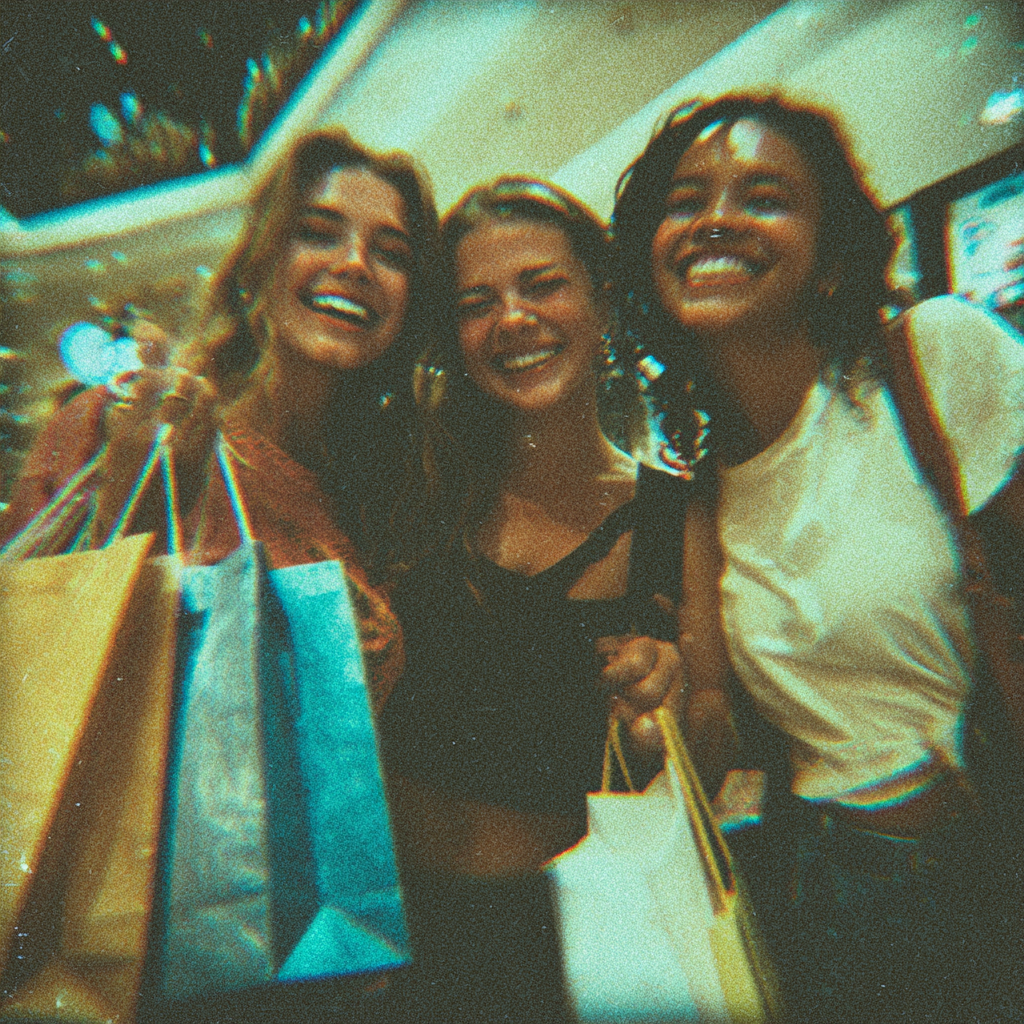
The narrative that Gen Z doesn't shop in stores has been wrong for years, and most retail operators know it. Foot traffic data shows it. Transaction data shows it. The lines outside Supreme drops and Glossier flagships show it.
The more accurate observation is that Gen Z shops in stores differently than previous generations — and that most retail environments were not designed for how they actually want to engage.
Understanding that gap is one of the more concrete revenue opportunities in retail right now.
What Is Experiential Retail in 2026 — And What Actually Works
Technology has permanently changed why people go to stores. When customers can buy anything, from anywhere, in under two minutes, a store that only sells products is fighting a losing battle. The retailers winning in physical spaces in 2026 aren't winning because they have better inventory. They're winning because they've figured out how to give customers something a website can't: a reason to show up, stay longer, and come back.
What "Experiential Retail" Actually Means
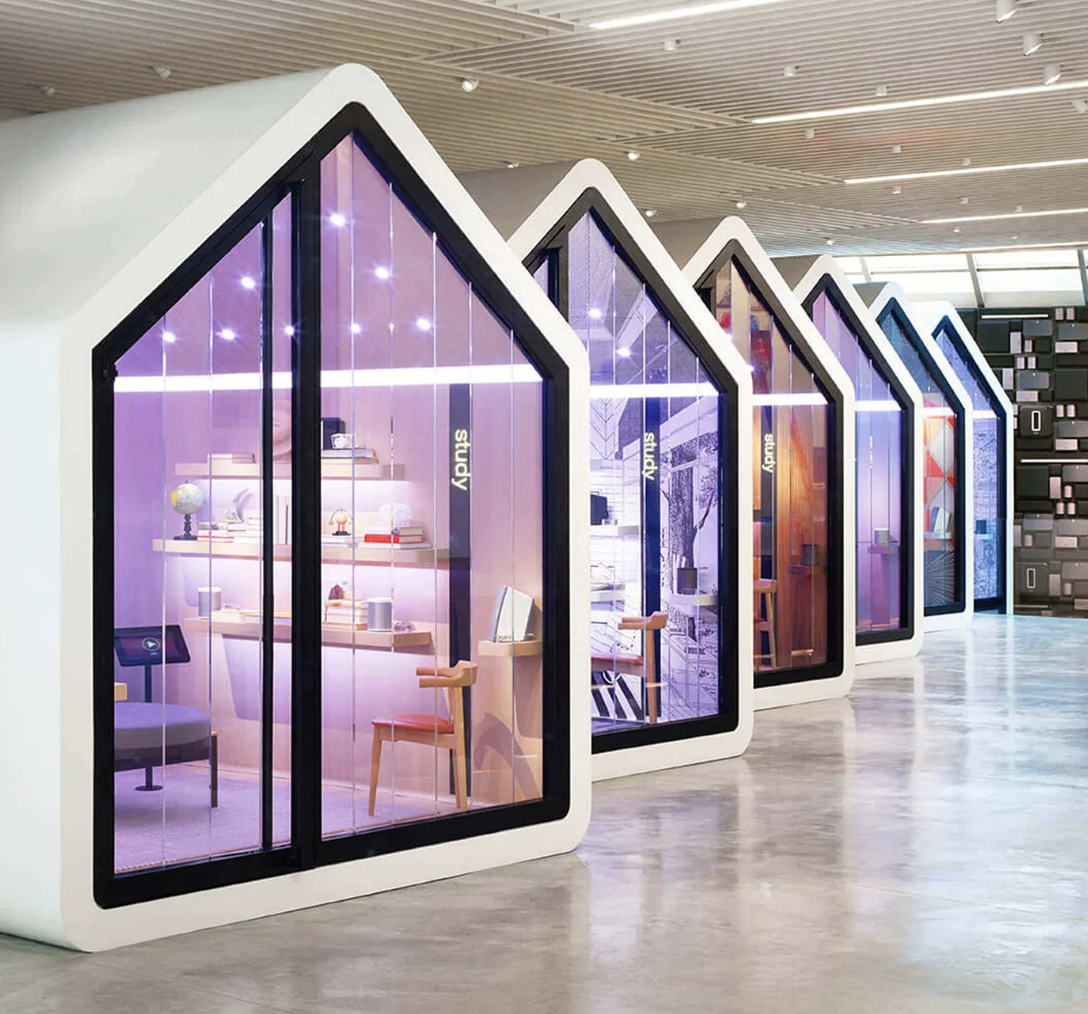
"Experiential retail" has a branding problem. Most content written about it features Ralph Lauren pop-ups in the Hamptons, Apple Stores as temples of product interaction, and Glossier flagships that cost more per square foot to build than most brands' annual marketing budgets. The implicit message is that creating a meaningful in-store experience is a capability reserved for companies with eight-figure design budgets and real estate teams.
Why Self-Directed Clienteling Is the Future of In-Store Personalization
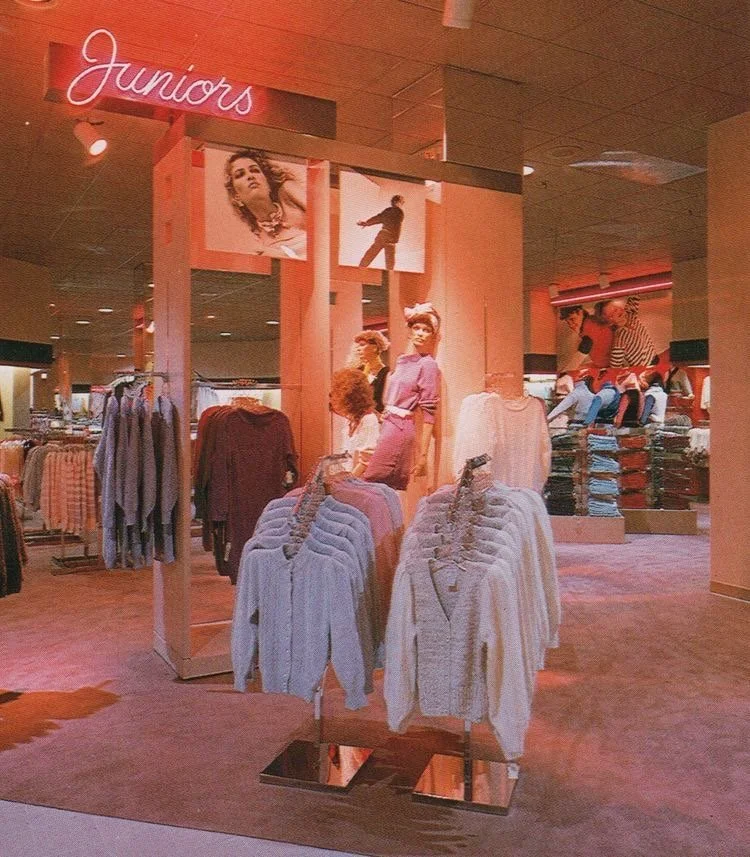
For the last decade, clienteling has meant one thing: arming store associates with customer data so they can deliver more personalized service. Pull up a customer profile on a tablet. See what she bought last quarter. Make a relevant recommendation. Build the relationship. It works… when an associate is available, engaged, and standing near the right customer at the right moment.
The Pop-Up Advice Everyone Gets Wrong
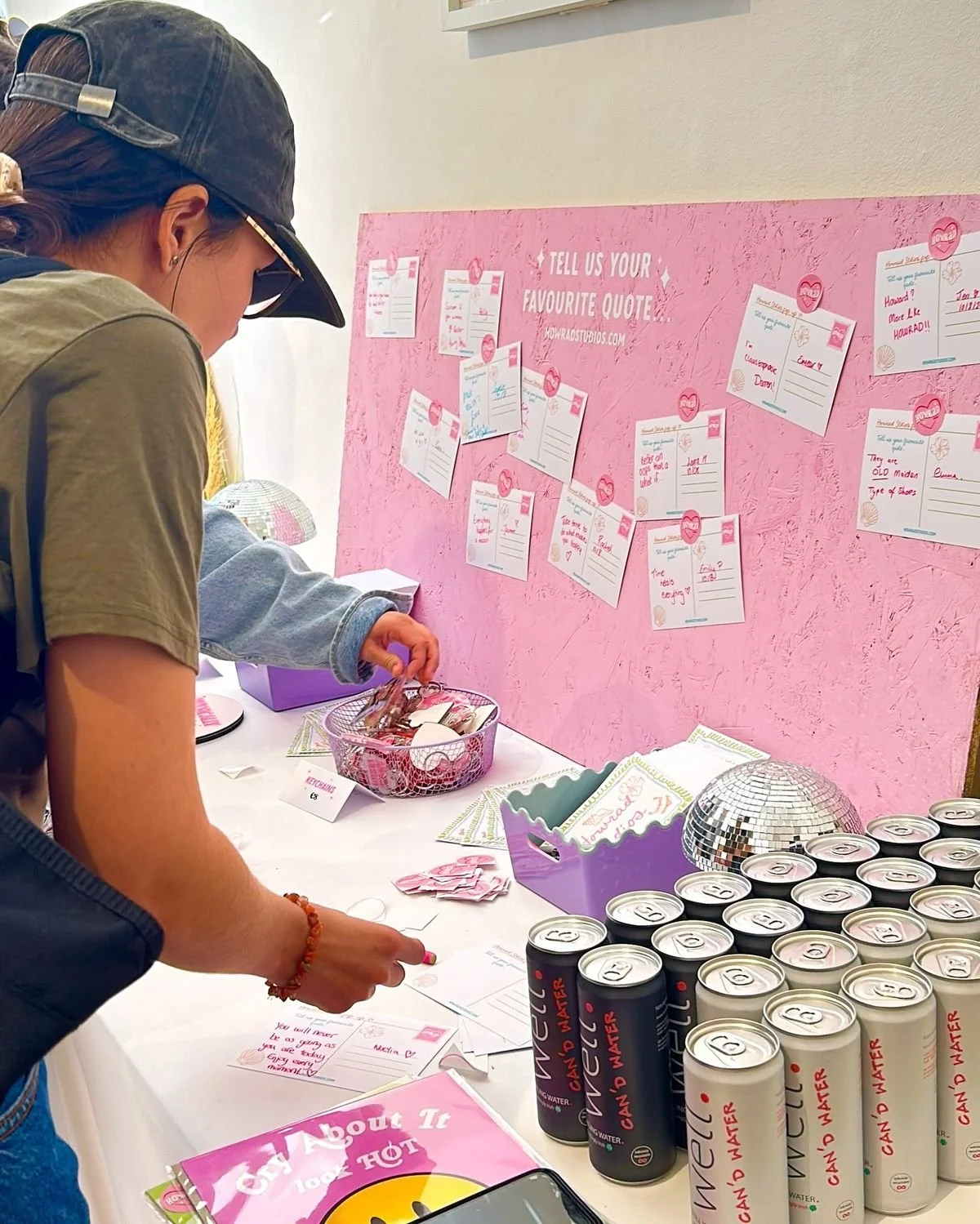
You did a pop-up. You sold well. People were excited. And then the weekend ended and you walked away with a pile of cash, a few Instagram follows, and almost no way to reach the people who came through your space.
How to Capture Customer Emails In-Store: What Actually Works
Your ecommerce site has a pop-up, a footer form, and probably an exit-intent offer. You've optimized every possible moment to collect an email address from someone browsing online.
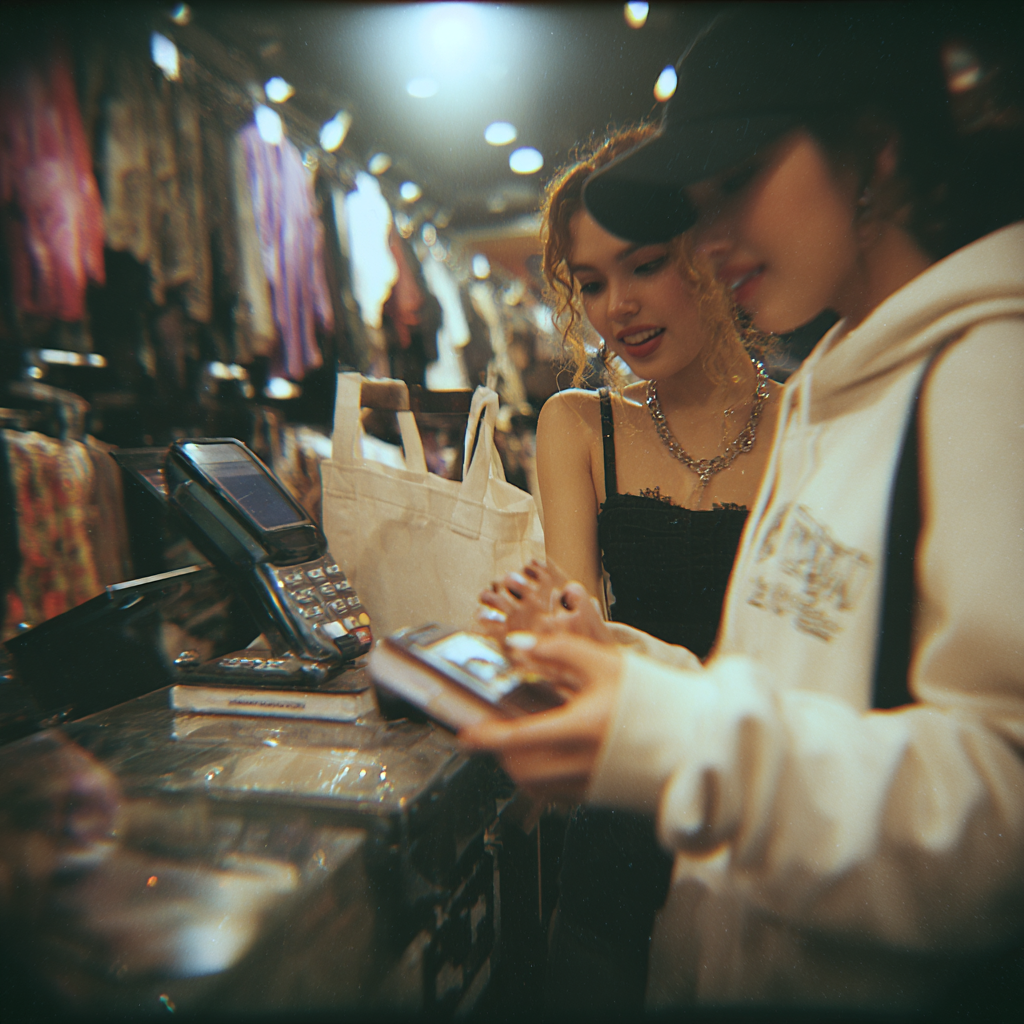
Your physical store has someone at the register asking "do you want to leave your email?" while the next customer waits in line.
Brands offer upwards of 30% discounts online just to capture the email of a would-be customer. Yet in-store, most retailers have put nothing in place to create this same process for customers who are even more likely to convert in that moment. That gap is expensive. The customers walking into your store are your highest-intent prospects. They showed up. Most of them leave without a trace.

The Discount Loyalty Problem: Why Points Programs Are Losing to Experience-Based Retention
That's the structural problem: discount-based loyalty creates customers who are loyal to the discount. When the discount changes or disappears, so does the behavior.
QR Codes in Retail Stores: How Brands Use Them to Drive Conversion
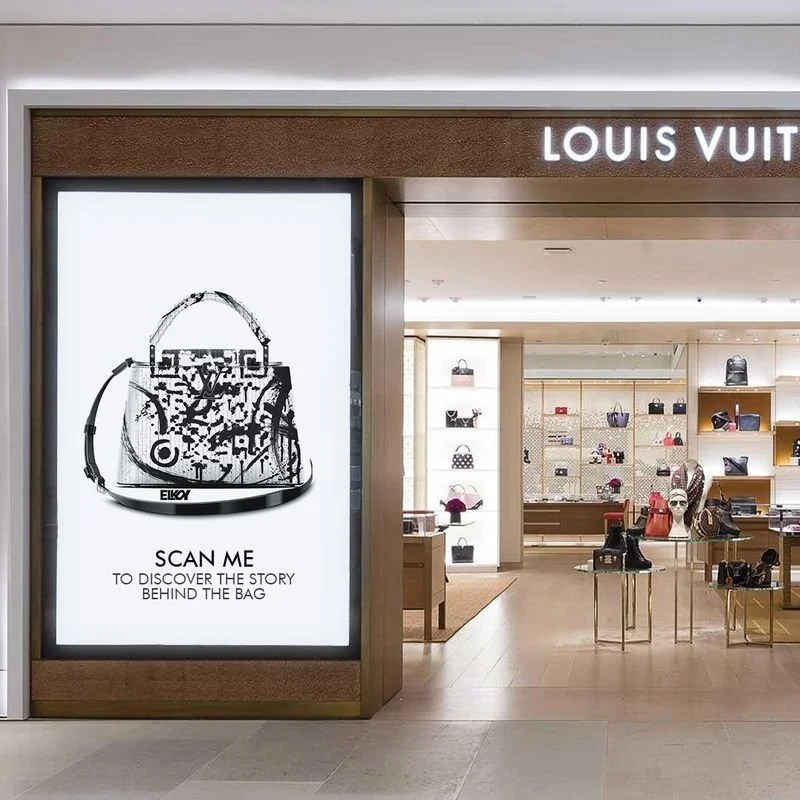
The brands using QR codes well in physical retail aren't using them to replace a paper menu. They're using them as interactive infrastructure — touchpoints that guide customers, capture preferences, and drive measurable revenue outcomes. The difference between those two uses is the difference between a novelty and a system.

In-Store Customer Experience Ideas for Gen Z
Gen Z is the most in-store-engaged generation in retail right now — and the most misunderstood. More than one in five Gen Z consumers shop in a clothing store at least once a month, double the rate of the general population. 64% prefer to shop in-store when discovering new products more than any other generation including millennials.
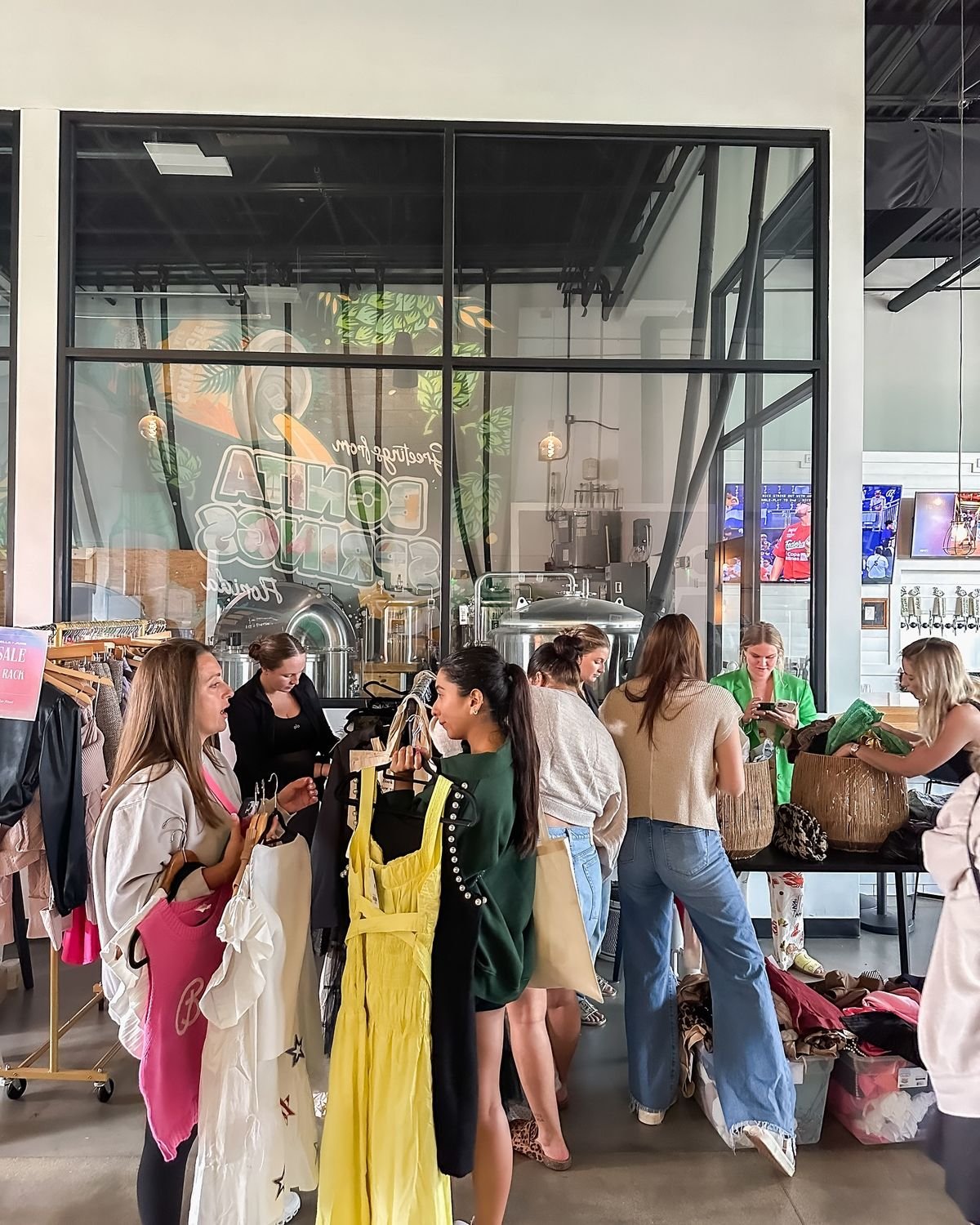
How to Turn Pop-Up Shoppers Into Repeat Customers
Pop-ups are one of the most high-intent retail environments that exist. Customers who show up aren't browsing a mall by default — they sought out the experience. They're curious, they're engaged, and they're far more likely to buy than the average walk-in customer at a permanent store.
How to Collect First-Party Customer Data in a Physical Store
The first-party data conversation has been dominated by e-commerce for the last decade. Pixel tracking, email capture popups, on-site behavior analytics — online brands have built sophisticated data infrastructures that tell them exactly who their customers are, what they looked at, and what drove them to buy. The brands that build first-party data infrastructure in their physical spaces now will have a meaningful advantage over those that wait.
How to Increase Average Order Value in a Retail Store (Without Adding Headcount)
Every retail operator knows the math: if you can't control foot traffic, you control what each person spends. Average order value (AOV) is one of the highest-leverage numbers in your business; and unlike acquisition, you don't have to spend more to move it.

What is Mirour?
Mirour is a B2B SaaS platform that helps retail brands drive more revenue from in-person customer visits through interactive digital touchpoints placed throughout physical spaces.

Loren Mount-O’Brien on the Power of Everyday Influence
In her TEDx Talk, Mirour founder Loren Mount-O’Brien shares how the most powerful form of influence isn’t performance or content, it’s everyday people helping each other out.